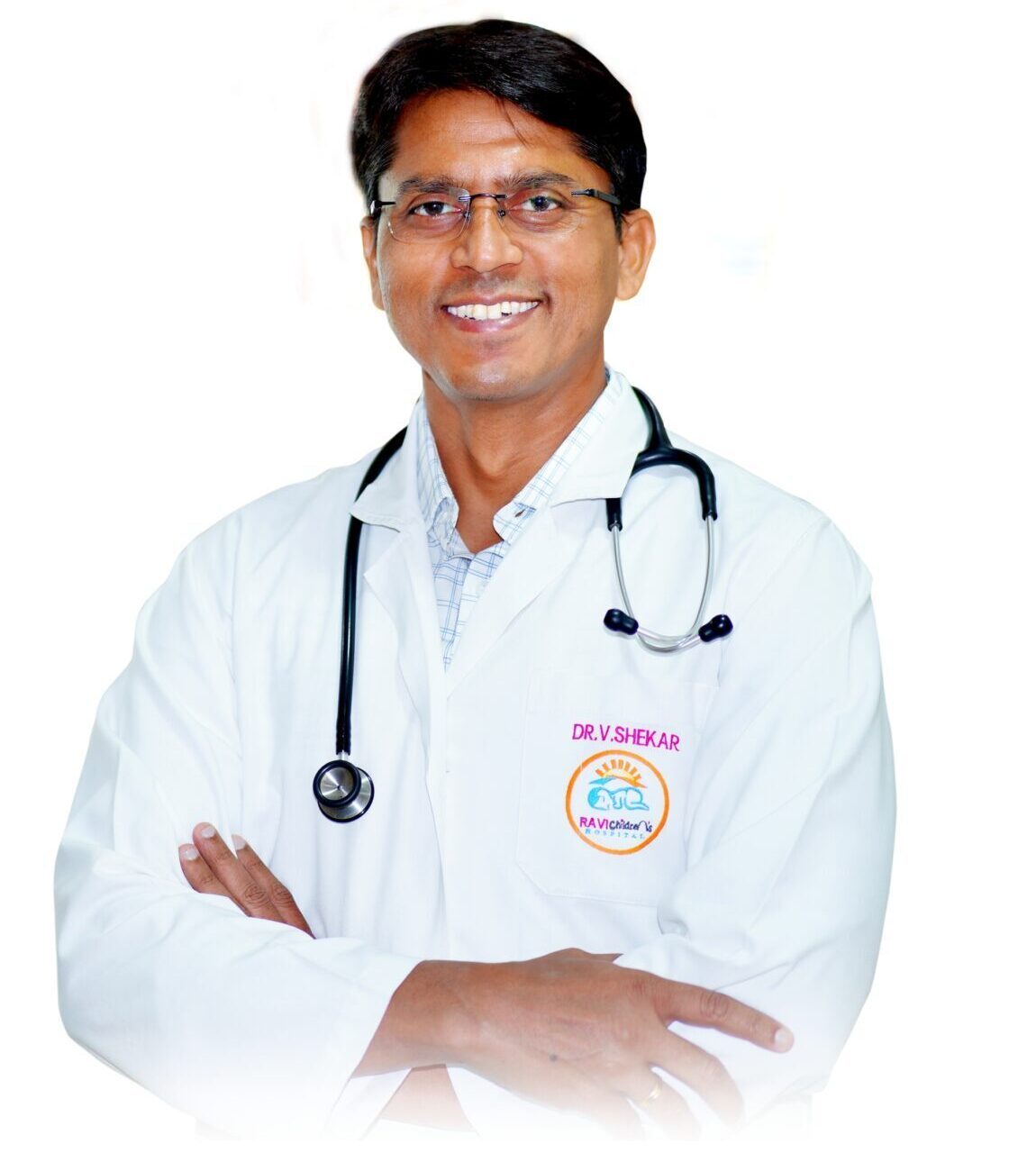
Dr. V. Shekar MBBS. MD(Pediatric)
Paediatric Neurologist & Children Specialist
Medical Director, Founder & Chairman - Ravi Children’s Hospital
Dr. Vishlavath Shekar is a dedicated Pediatric Neurologist and the Medical Director & Founder of Ravi Children’s Hospital. Passionate about providing high-quality, accessible healthcare, he focuses on the holistic well-being of children, especially in underserved communities.
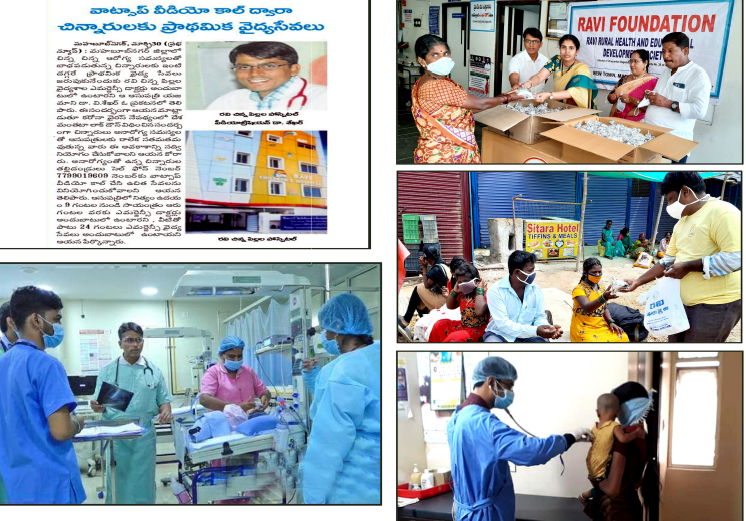
Under his leadership, the hospital offers specialized clinical care, preventive programs, free medical camps, and rural outreach.
Dr. Shekar is also the founder of Ravi Rural Health and Educational Developmental Society, driving initiatives to expand medical access and promote public health education.
His philosophy emphasizes not just treatment, but awareness, education, and empowerment, inspired by his passion for sports, discipline, and social welfare.
Dr. Vishlavath Shekar’s educational journey began in the town of Gadwal, located in the erstwhile Mahabubnagar District. He completed his schooling (SSC) from MBC High School in Gadwal between 1988 and 1989. Following this, he pursued his intermediate education at MALD College, in Gadwal, from 1989 to 1991.
From an early age, Dr. Shekar exhibited a keen interest in the medical field, driven by a strong desire to make a significant contribution to healthcare. This passion for medicine led him to pursue a career in the medical sciences.
Medical Education and Specialization
In 1993, Dr. Shekar’s medical journey began at Osmania Medical College in Koti, Hyderabad, one of the region’s most prestigious institutions. He completed his MBBS degree in 1998, under the affiliation of NTR University of Health Sciences, Vijayawada. At Osmania Medical College, he gained a solid foundation in clinical medicine, learning from some of the country’s finest medical professionals and developing the essential skills needed for a successful career in medicine.
Determined to further specialize, Dr. Shekar advanced his studies and, in 2003, earned his MD in Pediatrics from Gandhi Medical College, another renowned institution. This specialized training allowed him to refine his expertise in pediatric and neonatal care, providing him with in-depth knowledge to manage complex pediatric conditions and ensuring a high standard of care for children.
Advanced Training and Clinical Expertise
Professional Journey and Leadership in Pediatric Medicine
Transforming Pediatric Healthcare
Assistant Professor at SVS Medical College
Associate Professor at SVS Medical College
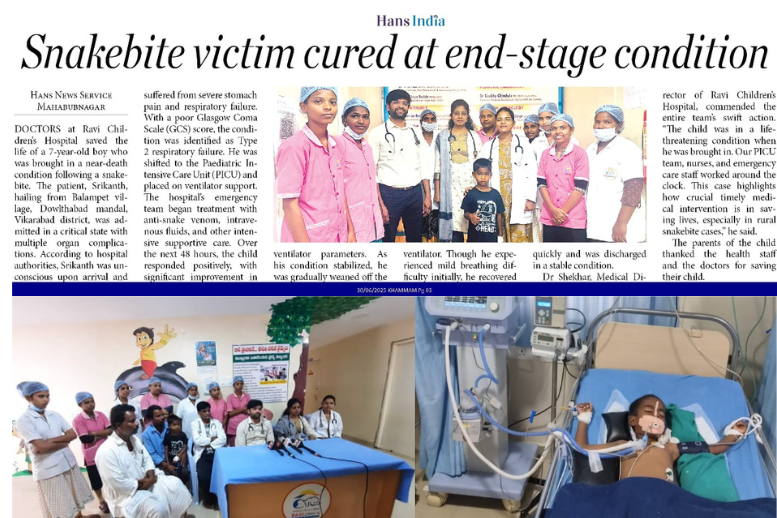
Snakebite victim cured at end-stage condiion
Doctors at Ravi Children’s Hospital saved a 7-year-old boy, Srikanth, from Balampet village, who was admitted in a near-death state after a snakebite. He was unconscious, suffering from severe complications and respiratory failure, and placed on ventilator support. The medical team administered anti-snake venom and intensive care. Within 48 hours, his condition improved, and he was gradually weaned off the ventilator. Srikanth recovered and was discharged in stable condition. Dr. Shekhar praised the team’s swift action, highlighting the importance of timely care in rural snakebite cases. The child’s parents expressed deep gratitude to the hospital staff. 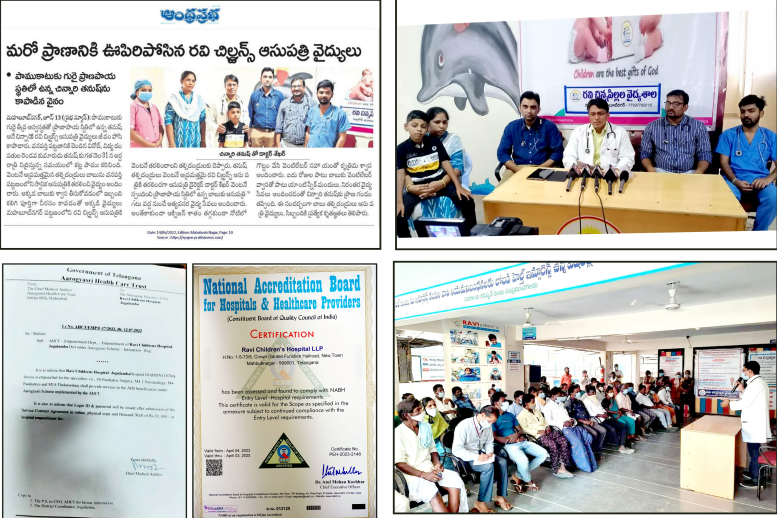
Milestone Achievement in Healthcare Services
In 2023, Ravi Hospital successfully provided over 5,00,000+ OP services and 50,000+ IP services, including 25,000 ventilator cases. The hospital earned NABH accreditation, recognizing its commitment to high-quality healthcare standards. Additionally, it was empaneled with Arogya Sri Trust, enabling cashless treatment for Arogya Sri cardholders. This achievement reflects Ravi Hospital’s dedication to accessible and advanced medical care.
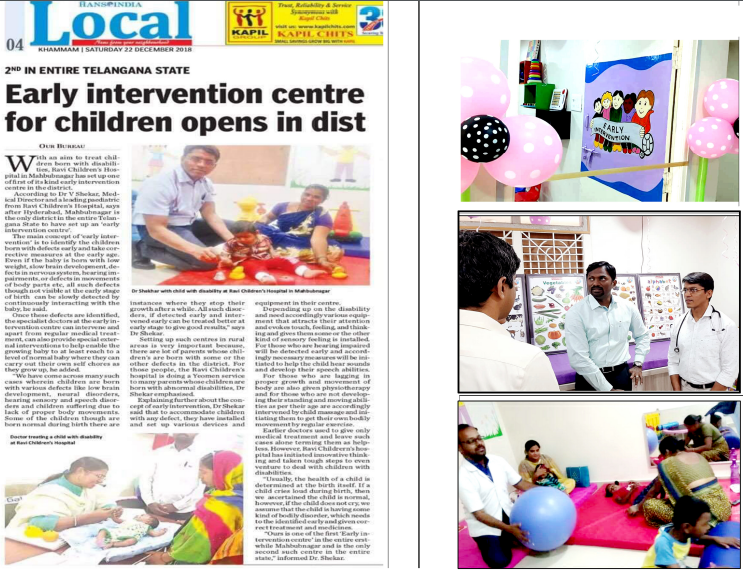
Early Intervention Center for Children
In 2018, the Early Intervention Center for Children was inaugurated, marking a significant step in pediatric healthcare. The center was officially opened by District Collector Dr. Ronald Rose. This initiative aims to provide specialized care and timely support for children with developmental challenges, ensuring better health outcomes and overall well-being.
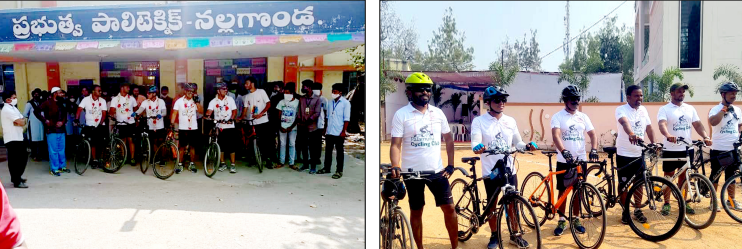
Health Awareness Initiative by Palamuru Cycling Club
Palamuru Cycling Club, in collaboration with Ravi Hospitals, organized a health awareness program. The initiative aimed to promote fitness, well-being, and preventive healthcare. Participants were educated on healthy lifestyles, disease prevention, and medical awareness. Encouraging the community to prioritize health through physical activity and awareness campaigns.
Empowering Healthcare for Girls
Since 2013, major pediatric surgeries and Save Girl Child programs have been initiated to support young female patients. These initiatives offer essential benefits, including free OP consultations, medications, and diagnostic services. By ensuring accessible and quality healthcare, the program aims to safeguard the well-being of girls. This effort reflects a strong commitment to nurturing a healthier future for every child.
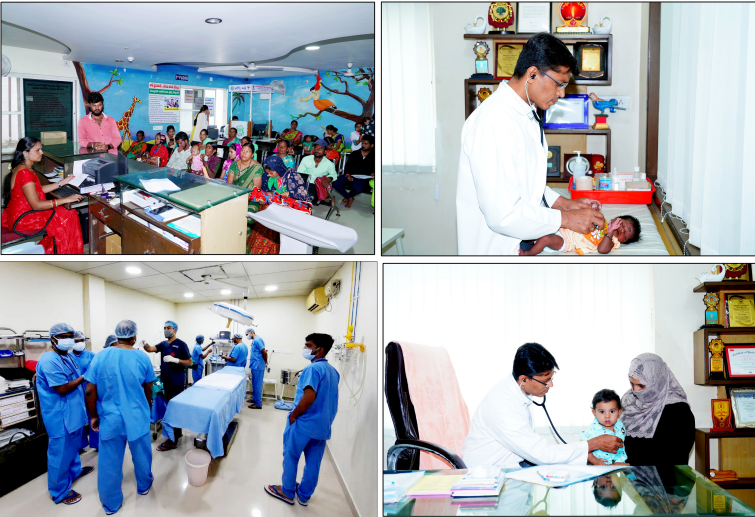
COVID Relief and Child Healthcare Initiatives
During the COVID-19 pandemic, a dedicated COVID ward for children was established, saving numerous lives. Essential medical care was provided to affected children, ensuring their safety and recovery. Free food distribution counters were set up at bus stations, railway stations, and other public areas. These initiatives aimed to support underprivileged communities during the crisis. All efforts were focused on providing essential healthcare and humanitarian aid in Mahabnagar.